

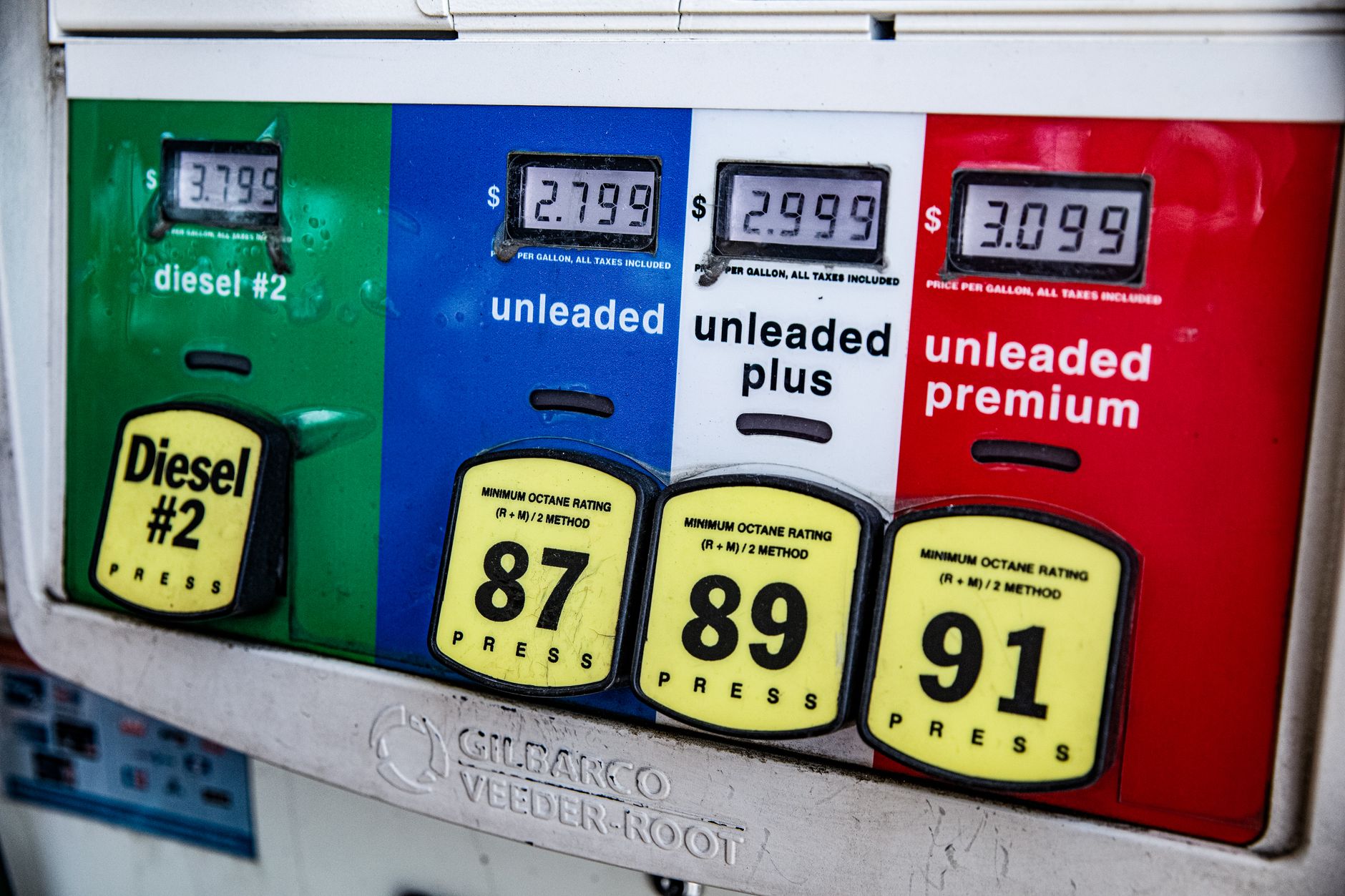
Oil prices rise as Iran announces that no nuclear material will leave the country, causing a ripple effect in the global oil market. Investors are closely monitoring the situation.
Current Oil Price Trends
In recent days, oil prices have shown a notable increase, reflecting a complex interplay of geopolitical factors and market dynamics. As reported by Reuters, oil prices rose by 1% following Iran’s announcement that no nuclear material would leave the country. This development has heightened concerns over potential supply disruptions, which often drive oil markets.
Current oil price trends indicate a significant reaction from traders, with analysts predicting further fluctuations in the near future. Several key factors are influencing these trends:
- Geopolitical Tensions: Ongoing tensions in the Middle East continue to create uncertainty in oil supply.
- Global Demand Recovery: As economies gradually recover from the pandemic, demand for oil is expected to rise, further contributing to higher prices.
- Production Decisions: OPEC’s decisions regarding production levels will play a crucial role in shaping future oil prices.
As oil prices rise, consumers and businesses alike may begin to feel the impact. Increased fuel costs could lead to higher prices for goods and services, affecting overall economic recovery. Monitoring these trends will be essential for stakeholders across various sectors.
Iran’s Nuclear Announcement Explained
In a significant announcement, Iran declared that no nuclear material would be leaving the country, a move that has raised concerns across global markets. This declaration comes amid ongoing tensions surrounding Iran’s nuclear program and its implications for oil supply. Analysts suggest that this decision is likely to impact the already fluctuating oil prices.
The market reaction has been swift, with oil prices rising in response to the news. Stakeholders are closely monitoring the situation, as any escalation could lead to further disruptions in oil supply chains. Key factors influencing the market include:
- Geopolitical Tensions: The volatility in the region creates uncertainty that often drives up oil prices.
- Supply Concerns: With Iran holding a significant share of the global oil market, any threat to its production capabilities can have a ripple effect.
- Investor Sentiment: Traders are reacting to news quickly, and speculation can lead to short-term spikes in oil prices.
As oil prices rise, the impact on various sectors, including transportation and manufacturing, could be profound. It remains to be seen how long these price increases will last and what further developments may arise from Iran’s nuclear stance.
Impact on Global Oil Supply
The recent announcement from Iran regarding its nuclear materials has sent ripples through the global oil market, contributing to a rise in oil prices. As geopolitical tensions escalate, the impact on global oil supply becomes a critical concern for investors and consumers alike.
Several key factors are influencing the current supply dynamics:
- Geopolitical Tensions: Ongoing conflicts in the Middle East, particularly involving Iran, have historically led to volatility in oil supply. Any indication of instability can result in swift reactions from the market.
- Production Levels: Major oil-producing nations are closely monitoring their output levels. Decisions made by OPEC+ regarding production cuts or increases can significantly impact prices.
- Global Demand: With economies recovering post-pandemic, demand for oil is on the rise. Increased consumption is placing additional pressure on supply chains, further driving up oil prices.
- Alternative Energy Shifts: As countries push towards renewable energy sources, the transition may temporarily affect oil supply and pricing, especially in nations reliant on oil revenues.
The rise in oil prices not only reflects current events but also signals potential long-term implications for global markets and energy policies.
Market Reactions to Oil Price Changes
The recent announcement from Iran regarding its nuclear program has sent shockwaves through global markets, contributing to a significant increase in oil prices. As a result, investors are closely monitoring the financial landscape for signs of volatility. The rise in oil prices is not just a fleeting market reaction; it has far-reaching consequences that could affect various sectors.
Analysts have noted several key reactions from market participants:
- Increased Volatility: With oil prices rise, traders anticipate fluctuations, leading to increased trading volumes across commodities.
- Impact on Energy Stocks: Energy companies are likely to see their stock prices soar as higher oil prices improve profit margins, attracting more investment.
- Inflationary Pressures: Rising oil prices can contribute to overall inflation, prompting central banks to consider adjustments to interest rates, which can further influence stock markets.
- Sector Rotation: Investors may shift their portfolios towards energy stocks while pulling back from sectors that are more sensitive to oil price increases, such as transportation and manufacturing.
As the situation unfolds, the full impact of rising oil prices on the markets will continue to be a critical topic for investors and analysts alike.
Future Predictions for Oil Prices
As oil prices rise in response to geopolitical tensions, analysts are closely monitoring potential future trends in the market. Various factors will influence the trajectory of oil prices, including production levels, demand fluctuations, and evolving global political dynamics.
Several key predictions have emerged from market experts:
- Increased Demand: With economies recovering from the pandemic, demand for oil is expected to rise steadily, particularly in emerging markets where industrial activity is ramping up.
- Supply Chain Challenges: Ongoing supply chain disruptions could impact oil production, leading to tighter supplies and further price increases.
- Geopolitical Tensions: Continued instability in regions like the Middle East may contribute to uncertainty in oil markets, prompting traders to react with caution.
- Investment in Alternatives: As the focus on renewable energy grows, the future of oil prices may also be influenced by the pace of transition to alternative energies, potentially stabilizing or reducing oil dependency.
In summary, while oil prices rise now, the future remains uncertain as various factors interplay. Stakeholders will need to remain vigilant and adaptable to navigate the complex landscape of oil markets moving forward.
Key Factors Influencing Oil Markets
As oil prices rise, several key factors are influencing the dynamics of the oil markets. Understanding these factors can provide insights into future trends and potential market reactions.
- Geopolitical Tensions: Ongoing conflicts and diplomatic tensions in oil-producing regions often lead to fluctuations in supply and demand, directly impacting prices. Recent developments in Iran, for instance, have raised concerns about potential disruptions.
- OPEC Decisions: The Organization of the Petroleum Exporting Countries (OPEC) plays a crucial role in managing oil production levels. Any changes in production quotas can lead to immediate shifts in oil prices, as seen with recent announcements affecting output levels.
- Global Economic Conditions: Economic growth or contraction in major economies influences oil consumption patterns. A robust economic forecast typically leads to increased demand for oil, while fears of a recession can have the opposite effect.
- Technological Advancements: Innovations in extraction and production methods, such as fracking, can alter the supply landscape, impacting prices. Countries that adopt these technologies may see their oil outputs surge, affecting global prices.
These factors create a complex web of influences that investors and analysts closely monitor as oil prices rise and fall in response to changing circumstances.
The economic implications of oil prices rise can be felt across various sectors, from transportation to manufacturing. As investors react to these changes, it is crucial to analyze how oil prices rise may influence overall market stability.
Photo by Ekaterina Belinskaya on Pexels
Read the original
You might also like
- What Happens When Retail and Artificial Intelligence Converge?
- KPI Green Energy shares: Proven rise over 5% post Diwali
- Elemental Royalty revenue: Is a 203% rise worth celebrating?