

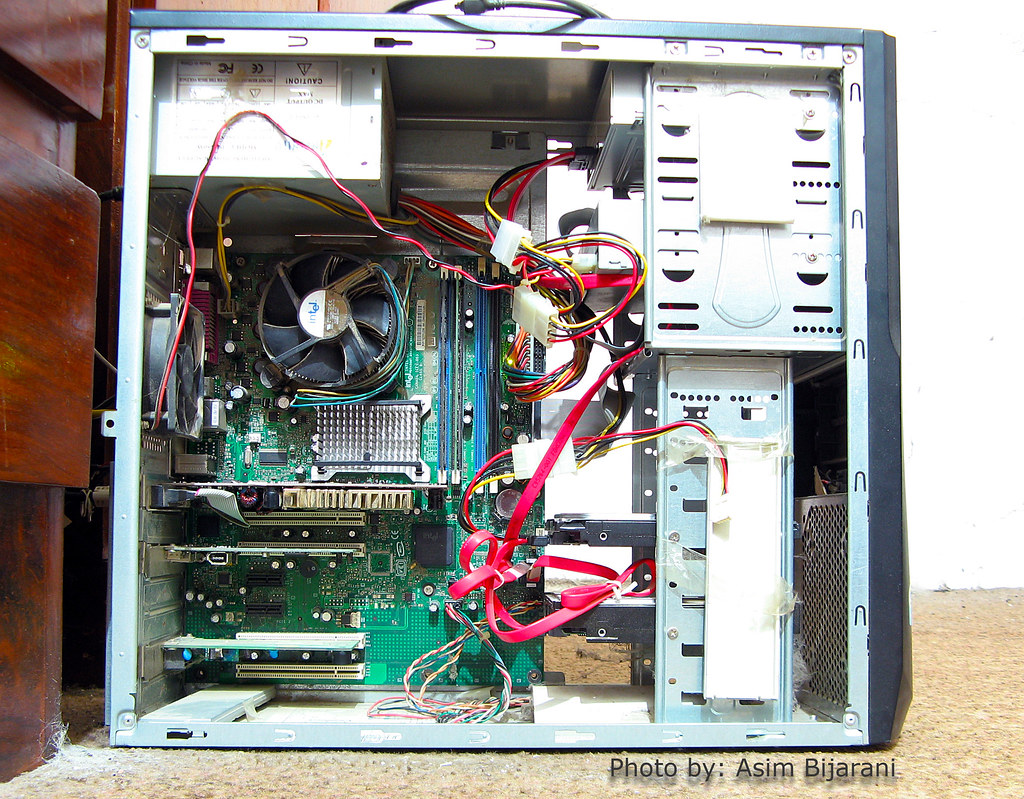
Nvidia server chips are now facing restrictions as the company sends a clear message to its manufacturing partners. Following Jensen Huang’s return as CEO, Nvidia has instructed partners to halt shipments to four specific countries.
Impact of Nvidia’s Decision
Nvidia’s recent directive to halt the shipment of its server chips to four specific countries has raised concerns about the broader implications for the technology sector. This decision, made shortly after Jensen Huang resumed his role as CEO, suggests a significant shift in Nvidia’s strategy that could have far-reaching consequences.
The impact of this ban may affect various stakeholders, including:
- Manufacturers: Companies relying on Nvidia server chips for their products may need to seek alternative solutions, potentially delaying their development timelines.
- Markets: Investors may react negatively, fearing reduced sales and revenue for Nvidia as a result of the restrictions.
- Innovation: Limiting access to advanced technology could stifle innovation in the affected countries, hindering their tech industries’ growth.
In summary, the ban on Nvidia server chips could create a ripple effect that impacts not only Nvidia’s business but also the global tech landscape.
Reasons Behind the Shipment Ban
In recent developments, the shipment ban imposed by Nvidia on its server chips has raised significant concerns within the tech industry. Several reasons underpin this decision, reflecting both geopolitical tensions and market dynamics.
- Geopolitical Tensions: Ongoing conflicts between certain nations have prompted Nvidia to reassess its global operations. The risk of technology falling into adversarial hands has become a top priority.
- Compliance with Regulations: Stricter export controls have led Nvidia to ensure compliance with international laws, particularly in relation to sensitive technologies.
- Market Strategy: By limiting shipments, Nvidia aims to consolidate its position in safer markets, focusing on regions where growth potential remains robust.
- Supply Chain Challenges: The company is also facing logistical challenges, making it difficult to sustain operations across all territories.
Ultimately, the ban on Nvidia server chips reflects a complex interplay of factors that could reshape the industry landscape.
Response from Manufacturing Partners
In the wake of Nvidia’s recent decision to halt shipments of server chips to specific countries, the response from manufacturing partners has been swift and multifaceted. Many partners expressed concerns about the potential disruption to their production schedules and the financial repercussions of this ban.
- Supply Chain Disruptions: Several partners highlighted the immediate impact on their supply chains, which are intricately linked to Nvidia’s server chips.
- Financial Implications: Companies reliant on these components for their products are now grappling with potential revenue losses and reassessing their market strategies.
- Long-term Partnerships: Some manufacturing partners worry that this decision could strain long-standing relationships with Nvidia, affecting future collaborations.
As the situation develops, many are eager to see how Nvidia’s server chips will adapt to this new landscape, especially with the ongoing geopolitical tensions influencing the tech industry.
Market Reaction to Nvidia’s Actions
The recent ban on Nvidia server chips has triggered a significant reaction in the market. Investors and analysts are closely monitoring the situation, as the abrupt halt in shipments to four countries raises concerns about Nvidia’s future growth prospects.
Many are speculating on the potential ripple effects this decision could have on the tech industry as a whole.
- Stock Performance: Nvidia’s stock saw a noticeable decline following the announcement, reflecting investor anxiety over lost revenue opportunities.
- Competitor Advantage: Rivals are poised to capitalize on Nvidia’s absence in these markets, potentially leading to a shift in market share.
- Supply Chain Implications: Manufacturing partners are reassessing their strategies, which may lead to disruptions in production schedules.
Overall, the market’s reaction underscores the critical role that Nvidia server chips play in the global tech landscape, making the implications of the ban far-reaching.
Future of Nvidia in Global Markets
The recent ban on Nvidia server chips has raised significant concerns about the company’s future in global markets. As countries react to the restrictions, Nvidia faces potential challenges in maintaining its competitive edge. The refusal to ship to specific regions may lead to increased demand in alternative markets. However, this strategy could also backfire, as major clients in the restricted areas may seek other suppliers, diminishing Nvidia’s market share.
Additionally, analysts predict a shift in the dynamics of the semiconductor industry. Countries that are not affected by the ban may experience a surge in demand for Nvidia products, but this could be offset by the loss of the lucrative markets in the banned regions. The company must navigate these complications carefully.
Moving forward, Nvidia will need to devise strategies to mitigate the impact of the ban and strengthen its relationships with remaining partners to secure its position in the global server chip market.
Analysis of Tech Supply Chains
The recent ban on shipping Nvidia server chips to specific countries raises significant concerns regarding global tech supply chains. As various manufacturers scramble to adapt, the ripple effects could reshape collaborations and production strategies across the industry.
The immediate impact includes:
- Disruption of partnerships: Companies reliant on Nvidia’s technology may face delays, forcing them to seek alternative suppliers or redesign their systems.
- Increased costs: The reallocation of resources to accommodate new suppliers can lead to higher operational expenses, which may be passed on to consumers.
- Innovation slowdown: As companies divert focus from research and development to address supply chain disruptions, the pace of technological advancement could stagnate.
Ultimately, the fallout from this ban could redefine the landscape for Nvidia server chips, potentially leading to a more fragmented tech ecosystem.
By Asim Bijarani via Openverse
References
Related reading
- Quarterly Earnings Review: Best Proven Trends for Investors?
- Pioneers 500 Limited Edition: The Best New Release from JSW Motors
- EPF withdrawal rules: Smart ways to earn monthly income