

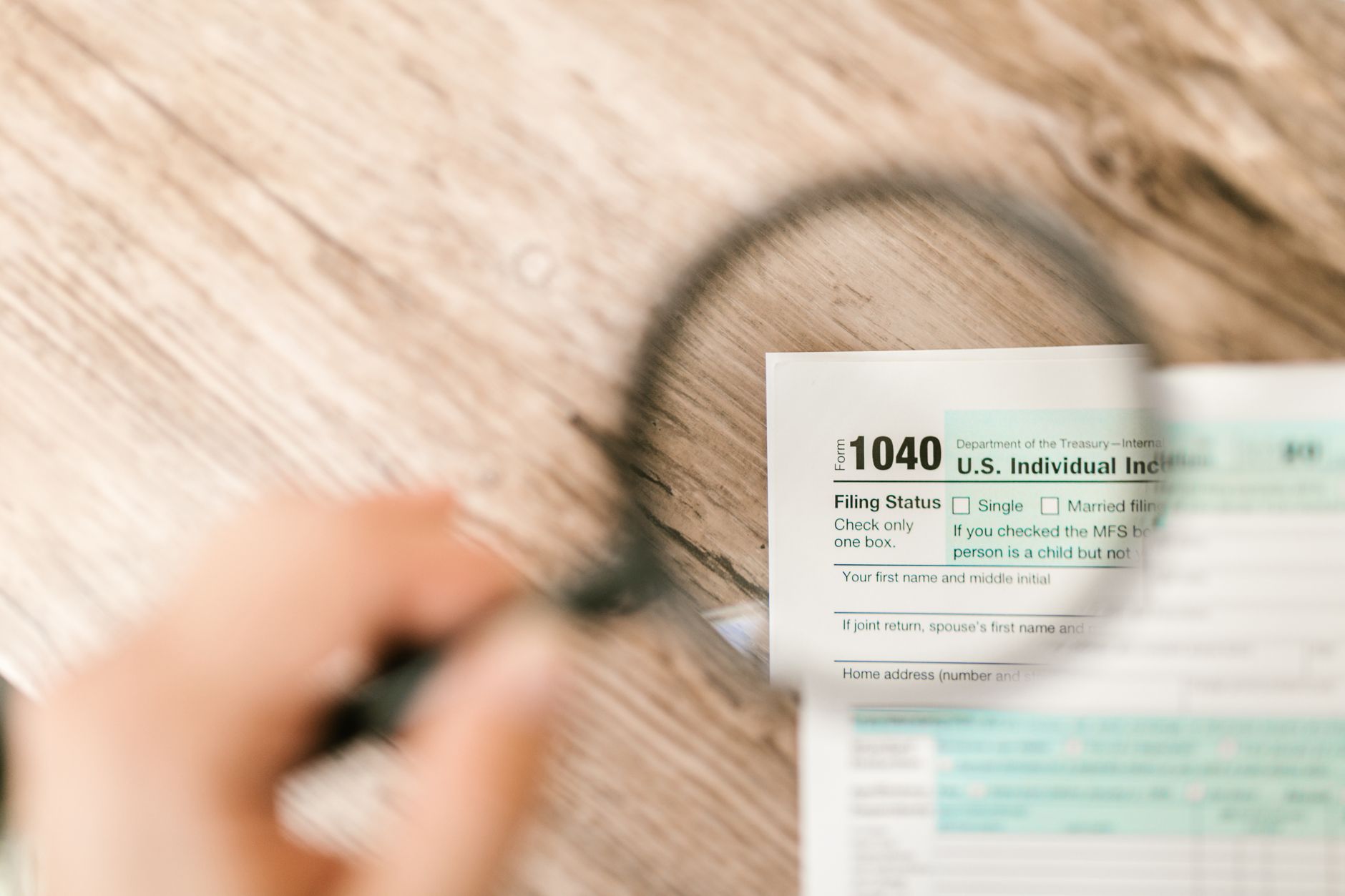
Income tax brackets inflation is becoming a pressing issue in Korea, as the government’s recent push encounters significant obstacles.
Understanding Income Tax Brackets
Income tax brackets play a crucial role in determining how much individuals owe to the government based on their earnings. These brackets are designed to ensure that taxpayers contribute a fair share relative to their income level. However, when inflation rises, the effectiveness of these brackets can diminish, leading to a phenomenon often referred to as “bracket creep.”
Bracket creep occurs when inflation pushes taxpayers into higher income tax brackets, even though their real purchasing power remains unchanged. This situation can result in individuals paying a higher percentage of their income in taxes without an actual increase in their financial well-being. To combat this issue, many advocate for indexing income tax brackets to inflation, which would adjust the thresholds annually based on inflation rates.
Unfortunately, not all governments are keen on implementing such measures. The recent discussions in Korea reflect a struggle to index income tax brackets to inflation, highlighting the challenges policymakers face. As inflation continues to rise, the pressure intensifies on governments to reassess their tax structures to ensure fairness and equity.
In summary, understanding income tax brackets and their relationship with inflation is essential for taxpayers. Without appropriate adjustments, individuals may find themselves unfairly penalized as their incomes rise merely due to inflationary pressures, rather than genuine increases in earnings.
The Impact of Inflation on Taxes
The relationship between income tax brackets and inflation is crucial for understanding the financial burden on taxpayers. As inflation rises, the cost of living increases, yet tax brackets often remain stagnant. This disconnect can lead to individuals moving into higher tax brackets without a corresponding increase in real income, a phenomenon known as “bracket creep.”
This situation can disproportionately affect middle-income earners, who may find themselves paying a larger share of their income in taxes due to inflationary pressures. The impact of inflation on taxes can result in a significant decrease in disposable income, making it harder for families to maintain their standard of living.
Countries that have attempted to address this issue, such as Korea, are exploring ways to index income tax brackets to inflation. This approach aims to ensure that tax thresholds are adjusted in line with the cost of living, allowing taxpayers to keep more of their earnings. However, such reforms often face political resistance, as governments may be hesitant to adjust tax structures that could affect revenue.
As the debate continues, it is essential for citizens to understand the implications of income tax brackets inflation on their personal finances. Awareness of these changes can empower taxpayers to advocate for policies that provide fair tax treatment in an increasingly inflationary environment.
Challenges in Adjusting Tax Brackets
The ongoing challenges in adjusting income tax brackets due to inflation have become increasingly evident. As the cost of living rises, many taxpayers find themselves pushed into higher tax brackets, a phenomenon known as “bracket creep.” This situation occurs when individuals receive raises or cost-of-living adjustments, yet their increased earnings do not translate to a higher standard of living due to the erosion of purchasing power.
Efforts to index income tax brackets to inflation face significant obstacles. Key challenges include:
- Political Resistance: Proposals to adjust tax brackets often encounter opposition from lawmakers who fear loss of revenue or political backlash.
- Administrative Burden: Implementing adjustments to tax brackets requires substantial administrative resources and can complicate tax filing processes.
- Economic Concerns: Some policymakers argue that indexing may lead to an overall reduction in tax revenue, impacting government funding for essential services.
As inflation continues to rise, it becomes increasingly imperative for governments to address the issue of income tax brackets and their alignment with economic realities. Failure to adapt can result in significant disparities in tax burdens, disproportionately affecting middle and lower-income earners. The challenge lies in finding a balance that ensures fair taxation while maintaining essential government functions.
Future of Income Tax Policies in Korea
The future of income tax policies in Korea is increasingly intertwined with the pressing issue of inflation and its impact on income tax brackets. As the nation grapples with rising prices, the need for a responsive tax system has become more evident. Policymakers are under pressure to reform the existing framework to alleviate the financial burden on taxpayers.
Among the proposed changes is the indexing of income tax brackets to inflation, a concept that has gained traction in recent discussions. This adjustment aims to ensure that taxpayers are not pushed into higher tax brackets due to cost-of-living increases. However, the government faces significant challenges in implementing such reforms.
Several factors complicate the introduction of indexed tax brackets:
- Budget Constraints: The government must consider the potential decrease in revenue that could result from adjusting tax brackets.
- Political Resistance: Proposed changes may encounter opposition from various political factions, complicating consensus-building efforts.
- Economic Uncertainty: Fluctuations in the economy create hesitancy among lawmakers to commit to long-term tax reforms.
Despite these hurdles, many experts argue that failing to address income tax brackets inflation could lead to greater disparities and financial strain for Korean households. As inflation continues to rise, the urgency for reform becomes increasingly critical.
As the cost of living continues to rise, many citizens are feeling the pinch of income tax brackets inflation. This phenomenon often leads to a situation where taxpayers are pushed into higher tax brackets, despite their real income remaining stagnant.
Photo by RDNE Stock project on Pexels
Sources
Fintech stocks decline: The Worst Impact on Investors · Bank Stocks Rally: The Right Path to Proven Gains Ahead · Fed rate hikes: The Clear Impact on India’s Economy