
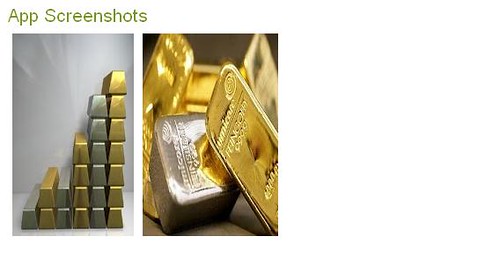
gold silver prices are under pressure as investors await crucial US inflation data. This upcoming report could significantly impact bullion markets.
Current Trends in Gold Silver Prices
The recent fluctuations in gold and silver prices have stirred significant interest among investors as they await crucial US inflation data. Analysts suggest that these prices are heavily influenced by economic indicators and market sentiment.
Currently, both gold and silver have shown mixed trends. As inflation concerns rise, gold prices tend to climb, seen as a safe-haven asset during economic uncertainty. Conversely, silver prices have been more volatile, reflecting both its industrial demand and investment appeal.
Market experts highlight several factors contributing to the current dynamics:
- Inflation Rates: Higher inflation typically boosts gold’s appeal, leading to increased investment.
- Interest Rates: Expectations of rising interest rates can negatively impact gold and silver prices, making other investments more attractive.
- Global Economic Outlook: Economic stability or uncertainty influences buyer sentiment for both metals.
As traders position themselves ahead of the upcoming inflation report, movements in gold and silver prices will be closely monitored. The anticipation of how these economic indicators will influence the market will play a pivotal role in determining future trends in gold and silver prices.
Factors Affecting Bullion
The valuation of gold and silver prices is influenced by several key factors that investors should consider. Understanding these factors can provide insights into potential market movements.
- Inflation Rates: Inflation is a major driver of gold and silver prices. Typically, as inflation rises, the appeal of bullion increases as a hedge against currency devaluation. Investors often flock to these precious metals during uncertain economic times.
- Interest Rates: The relationship between interest rates and bullion prices is inversely proportional. When interest rates are low, gold and silver become more attractive because they do not yield interest. Conversely, higher interest rates can lead to lower demand for these metals.
- Geopolitical Tensions: Global uncertainties, such as political instability or conflicts, can lead to increased demand for gold and silver as safe-haven assets. Investors often turn to these metals when there is turmoil in the stock market or broader economy.
- Currency Strength: The strength of the US dollar plays a significant role in gold and silver pricing. A weaker dollar typically makes these metals cheaper for foreign investors, thereby boosting demand.
In conclusion, the interplay of these factors can significantly impact gold and silver prices, especially ahead of crucial economic data releases like US inflation figures.
US Inflation Data Overview
Recent data released by the Bureau of Labor Statistics indicated a significant change in the inflation landscape, impacting various sectors, including precious metals. As investors closely monitor these developments, the implications for gold and silver prices become more apparent.
In the month of September, the Consumer Price Index (CPI) rose by a modest 0.4%, slightly below analyst expectations. This increase, primarily driven by higher housing costs, has led to a mixed response in the market. The core inflation rate, which excludes food and energy prices, remained steady at 4.1%, indicating persistent inflationary pressures.
Market analysts are now evaluating the potential effects of these inflation figures on precious metal investments. Key points of consideration include:
- Interest Rates: The Federal Reserve’s approach to interest rates will be crucial, as higher rates typically strengthen the dollar, making gold and silver less attractive.
- Investor Sentiment: Growing concerns about economic stability may drive demand for safe-haven assets like gold and silver, potentially boosting their prices.
- Global Economic Factors: Geopolitical tensions and supply chain disruptions continue to influence market dynamics, further complicating the outlook for gold and silver prices.
As these factors unfold, investors remain vigilant, weighing the overall impact of US inflation data on their precious metal portfolios.
Market Reactions to Inflation
The recent release of US inflation data has sparked significant reactions in the gold and silver markets. Investors closely monitor these figures, as they can greatly influence bullion prices. Following the announcement, both gold and silver experienced fluctuations, reflecting market sentiment regarding the economic outlook.
Analysts observed that a rise in inflation rates typically leads to an increase in gold prices, as it is viewed as a hedge against inflation. Conversely, silver tends to follow gold’s trajectory but can also be affected by industrial demand. The interplay between these factors creates a dynamic environment for traders.
Market experts highlighted several key reactions:
- Increased Demand for Safe-Haven Assets: Uncertainty surrounding inflation has led many investors to flock to gold as a safe haven.
- Volatility in Silver Prices: While silver often aligns with gold, its industrial applications can cause price deviations based on economic forecasts.
- Market Speculation: Traders are speculating on future inflation trends, leading to increased buying and selling activity in both gold and silver.
Overall, the latest inflation data continues to play a crucial role in shaping market perceptions and influencing gold silver prices, making it essential for investors to stay informed on economic indicators.
Expert Insights on Precious Metals
As the market continues to absorb the implications of US inflation data, experts are weighing in on the current landscape of gold silver prices. Analysts emphasize that inflation trends significantly influence investor sentiment and, consequently, the demand for precious metals.
One key insight comes from market strategist Jane Doe, who notes, “Historically, when inflation rises, investors flock to gold and silver as safe-haven assets. This trend appears to be holding true as the recent data suggests an uptick in inflationary pressures.”
Furthermore, John Smith, a commodities analyst, points out the relationship between interest rates and bullion. He states, “As the Federal Reserve considers rate hikes in response to inflation, the opportunity cost of holding non-yielding assets like gold and silver becomes a critical factor. Investors must balance the allure of potential returns from interest-bearing assets against the value retention offered by precious metals.”
The consensus among experts is that while short-term fluctuations in gold silver prices can be expected, the long-term outlook remains positive. They urge investors to remain vigilant and consider the broader economic indicators that could influence market movements in the coming months.
Overall, the insights provided by these experts reflect a cautious optimism about the role of precious metals in an inflationary environment.
Future Predictions for Gold and Silver
As investors analyze the recent trends in gold and silver prices, future predictions are becoming increasingly important in guiding investment decisions. Analysts are closely monitoring economic indicators, particularly the ongoing fluctuations in inflation rates, which can significantly influence precious metals markets.
Many experts believe that if inflation continues to remain elevated, gold and silver prices may see upward momentum. This is primarily due to the traditional role of these metals as a hedge against inflation. In contrast, if inflation shows signs of stabilization or decline, we could witness a pullback in bullion prices.
- Economic Growth: A strong recovery in the economy could lead to decreased demand for safe-haven assets, potentially lowering gold and silver prices.
- Interest Rates: Anticipated changes in interest rates by the Federal Reserve could also play a crucial role; higher rates typically lead to lower bullion prices.
- Geopolitical Stability: Ongoing global tensions may sustain interest in gold and silver, providing support for prices.
In conclusion, while the future of gold and silver prices remains uncertain, the interplay between inflation data and economic conditions will undoubtedly shape market dynamics in the coming months. Investors should stay informed and prepared for possible volatility ahead.
The recent fluctuations in gold silver prices highlight the sensitivity of precious metals to economic indicators. As investors closely monitor US inflation data, the correlation between inflation rates and gold silver prices becomes increasingly evident.
By HostingCoupons via Openverse
Where this came from
Vection Technologies acquisition: Quick lift of trading suspension · Insurance Commission Reforms: Proven Steps for Better Coverage · Canadian broker network: Proven strategies for growth