
Ethereum naming system is undergoing significant changes as ENS seeks DAO approval for an upgrade. This move could reshape how users interact with Ethereum addresses.
What is the Ethereum naming system?
The Ethereum naming system (ENS) is a decentralized naming service built on the Ethereum blockchain that allows users to register human-readable names instead of complex alphanumeric addresses. This innovation aims to simplify transactions and interactions within the Ethereum ecosystem. By transforming lengthy wallet addresses into easy-to-remember names, ENS enhances user experience and accessibility.
The ENS operates through a system of smart contracts, enabling seamless integration with various applications and services. Users can register names with the .eth extension, which can be used for various purposes, such as receiving payments, accessing decentralized applications, or even creating unique digital identities.
As the Ethereum community continues to evolve, the recent proposal for an upgraded Ethereum naming system seeks to improve functionality and user experience further. If activated, this upgrade could lead to increased adoption and streamlined interactions for both newcomers and experienced users in the Ethereum ecosystem.
How will the upgrade impact users?
The upcoming upgrade to the Ethereum naming system (ENS) is set to bring significant changes that could enhance user experience. One of the primary impacts will be the simplification of transactions, allowing users to send and receive cryptocurrency using human-readable names instead of complex wallet addresses.
This upgrade aims to reduce the risk of errors during transactions, which often occur due to mistyped addresses. Additionally, the upgrade may lead to increased adoption of decentralized applications, as users find it easier to navigate the Ethereum ecosystem.
Furthermore, the Ethereum naming system will introduce new features that could provide more control and security for users, such as:
- Customizable domains: Users can create unique web addresses for their wallets.
- Enhanced privacy: Personal information will be better protected.
- Improved interoperability: ENS names will work across various platforms.
Overall, this upgrade could significantly benefit users by making the Ethereum network more accessible and user-friendly.
Understanding the DAO approval process
The Ethereum naming system (ENS) is set to undergo significant upgrades, but before these changes can take effect, they must receive approval from the Decentralized Autonomous Organization (DAO). This process is crucial for ensuring that the community has a voice in the evolution of the system.
Understanding the DAO approval process involves several key steps:
- Proposal Submission: Developers submit a proposal detailing the upgrade and its benefits.
- Community Discussion: Members of the DAO engage in discussions to evaluate the proposal’s implications.
- Voting Process: DAO members cast their votes, determining whether the proposal will be accepted or rejected.
- Implementation: If approved, the upgrade will be implemented, enhancing the Ethereum naming system for all users.
This decentralized approach ensures that the improvements reflect the collective interests of the community, making the Ethereum naming system not just a technical upgrade, but a step forward in user empowerment.
Benefits of the new Ethereum naming system
The upgraded Ethereum naming system offers several significant benefits for users, enhancing their experience on the blockchain. First and foremost, it simplifies the process of sending and receiving cryptocurrencies by allowing users to utilize human-readable names instead of complex wallet addresses. This reduction in complexity can help prevent costly errors when transactions are made.
Additionally, the new naming system is designed to increase security. With the implementation of decentralized governance through a DAO, users can have a say in the management and future developments of the system, ensuring it evolves according to community needs.
Moreover, the Ethereum naming system enhances interoperability across various platforms and services, making it easier for users to engage with decentralized applications. Lastly, the upgrade aims to lower transaction costs associated with name registrations and transfers, thereby making the Ethereum ecosystem more accessible to new and existing users.
Community reactions to the proposed changes
The proposed upgrades to the Ethereum naming system (ENS) have sparked a lively debate within the community. Many users express excitement over the potential enhancements, believing that they could significantly improve user experience.
In online forums, several prominent voices have shared their thoughts:
- Support for Simplification: A number of users appreciate the planned simplification of the naming process, arguing it will make Ethereum more accessible to non-technical users.
- Concerns About Centralization: Conversely, some community members worry that enabling a DAO approval process may lead to centralization, undermining the decentralized ethos of Ethereum.
- Positive Outlook on Security: Others are optimistic about the security improvements, believing that these changes will protect users from fraud and enhance trust in the system.
Overall, reactions are mixed but largely leaning towards the belief that the Ethereum naming system upgrades are a step in the right direction for enhancing usability and security.
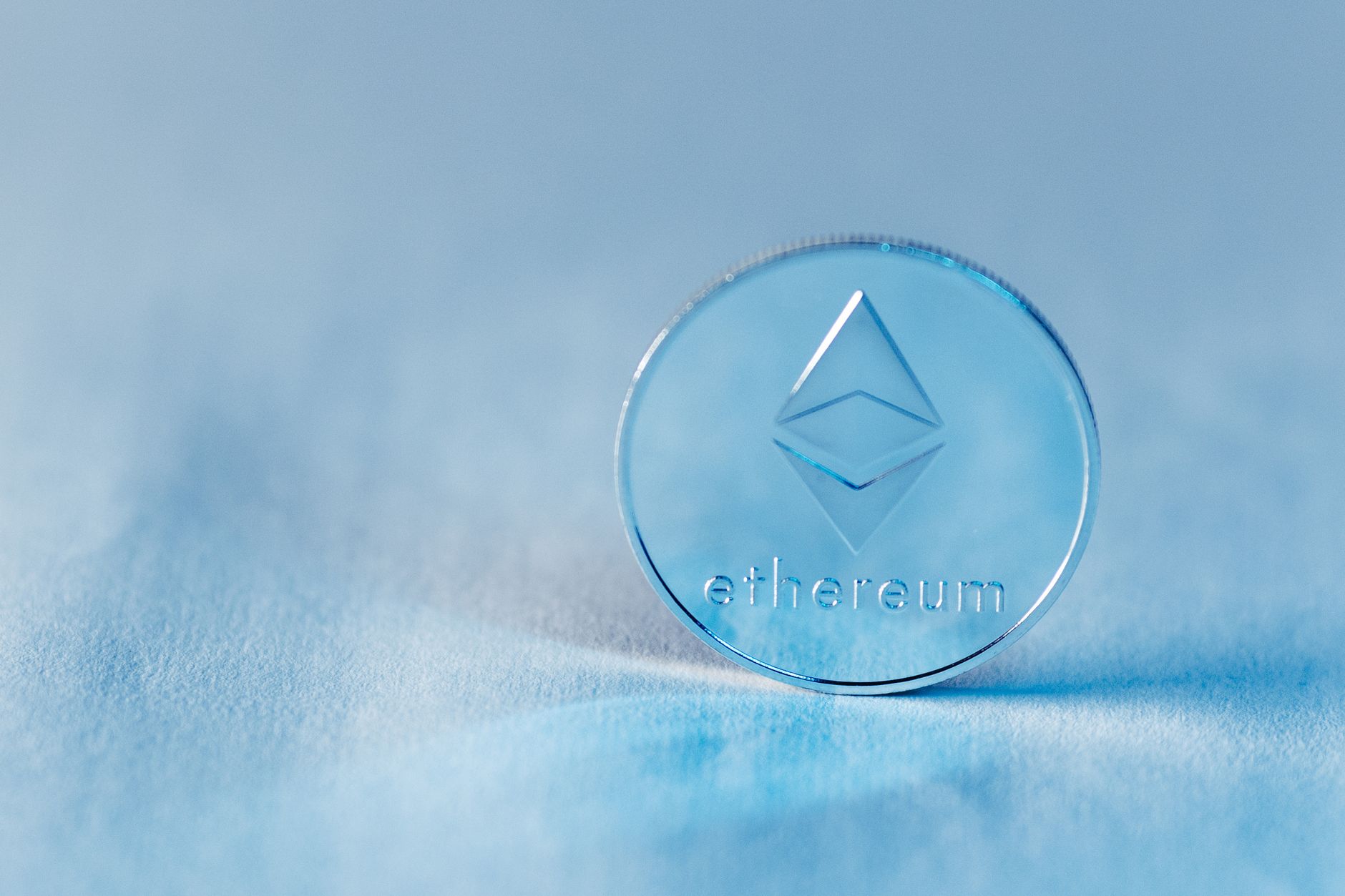
Photo by Jonathan Borba on Pexels
Where this came from
You might also like
Stock Market Outlook: What Are Today’s Best Cues? · Tax Planning for Farms: The Smart Strategy for Success · AI Startup Funding: Proven Strategies to Secure Investment