

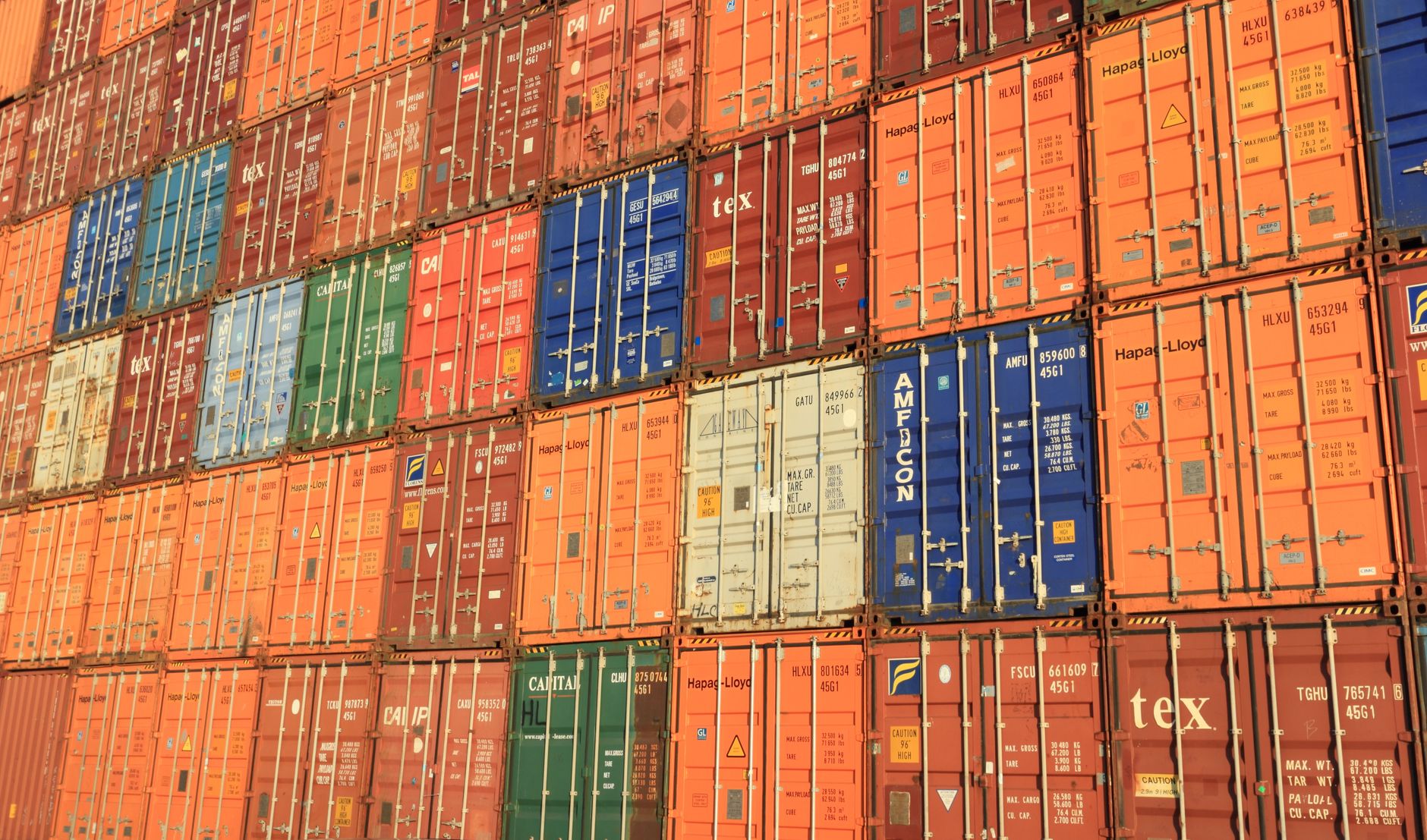
Export credit extension is a pressing issue as FIEO seeks to adapt to the recent RBI repo rate hike, aiming to support exporters during challenging times.
Understanding FIEO’s Request for Export Credit Extension
The Federation of Indian Export Organisations (FIEO) has raised concerns regarding the impact of the recent RBI repo rate hike on exporters. In light of these developments, FIEO is advocating for an export credit extension to help mitigate the financial strain on businesses.
Exporters have been grappling with increased costs due to rising interest rates, which could hinder their competitiveness in global markets. FIEO’s request emphasizes the need for a longer export credit period, allowing exporters to manage their cash flow more effectively. This extension would provide crucial support in maintaining their operations and fulfilling international orders.
According to FIEO, an extension would not only bolster exporters’ confidence but also enhance their ability to explore new markets. The organization believes that timely intervention from financial institutions can create a more stable environment for exporters during these challenging times.
In summary, the call for an export credit extension highlights the need for proactive measures to ensure the sustainability of India’s export sector amid economic fluctuations.
Impact of RBI Repo Rate Hike on Exporters
The recent increase in the RBI repo rate has raised concerns among exporters, as the cost of borrowing is likely to escalate. This situation necessitates a reassessment of financial strategies to sustain competitiveness in global markets.
Exporters are particularly vulnerable to changes in interest rates, which can directly impact their operational costs and profit margins. The Federation of Indian Export Organisations (FIEO) has emphasized the need for measures to mitigate these effects. They are advocating for an export credit extension to provide exporters with additional time and reduced financial pressure during this challenging period.
Key impacts of the RBI repo rate hike on exporters include:
- Increased borrowing costs, leading to higher operating expenses.
- Potential cash flow issues as payment timelines for exports may extend.
- Increased risk of default on loans due to tighter financial conditions.
Addressing these challenges through an extension of export credit could provide much-needed relief and stability for the sector.
Why Export Credit is Essential for Businesses
Export credit plays a crucial role in the growth and sustainability of businesses engaged in international trade. As companies face challenges from fluctuating economic conditions, having access to reliable export financing becomes essential. The recent RBI repo rate hike has intensified the need for an extension of export credit, allowing exporters to manage their cash flow effectively.
Here are some reasons why export credit is vital for businesses:
- Financial Flexibility: Export credit provides businesses with the necessary liquidity to fulfill international orders, ensuring they can compete effectively in global markets.
- Risk Mitigation: It helps mitigate risks associated with foreign transactions, such as payment delays and currency fluctuations.
- Market Expansion: By securing longer credit terms, companies can explore new markets and expand their customer base without the immediate pressure of repayment.
- Boosting Confidence: A robust export credit system instills confidence in businesses, enabling them to take calculated risks and invest in growth.
In conclusion, an extension of export credit is essential for businesses to navigate the current economic landscape effectively.
FIEO’s Strategy for Supporting Exporters
The Federation of Indian Export Organisations (FIEO) has devised a comprehensive strategy to support exporters facing challenges due to the recent RBI repo rate hike. By advocating for an export credit extension, FIEO aims to alleviate financial pressures that exporters encounter during fluctuating economic conditions.
Key components of FIEO’s strategy include:
- Engagement with Financial Institutions: FIEO plans to collaborate with banks and financial institutions to ensure that exporters receive adequate credit facilities despite the rising rates.
- Advocacy for Policy Reforms: The organization is pushing for policy changes that would allow for longer repayment terms, thereby reducing the short-term burden on exporters.
- Training and Resources: FIEO is also committed to providing exporters with resources and training to adapt to the evolving financial landscape.
Through these initiatives, FIEO seeks to empower exporters and ensure that they remain competitive in the global market, despite the economic challenges posed by the RBI’s decisions.
Current Trends in Export Financing
In the wake of the recent RBI repo rate hike, the landscape of export financing is witnessing notable changes that are redefining the approach of exporters. As businesses grapple with increased borrowing costs, the call for an export credit extension has gained momentum. This trend reflects a growing recognition of the need for more flexible financing options to support exporters in maintaining competitiveness in international markets.
Several financial institutions are adapting their lending policies to accommodate these shifts, offering tailored solutions that align with the evolving needs of exporters. Key trends emerging in this context include:
- Longer repayment periods: Lenders are extending repayment timelines to provide exporters with greater financial breathing room.
- Lower interest rates: In some cases, financial institutions are adjusting rates to mitigate the impact of the RBI’s hike.
- Increased awareness: Exporters are becoming more informed about their financing options, pushing banks to innovate.
These trends highlight a proactive response to the challenges posed by economic fluctuations, ensuring that exporters remain resilient.
Challenges Faced by Exporters Today
Exporters are currently navigating a complex landscape as they face several challenges that threaten their operations and growth. The recent hike in the RBI repo rate has compounded these difficulties, leading to increased borrowing costs and tighter liquidity. With the demand for products fluctuating globally, exporters are struggling to maintain competitive pricing.
Many exporters rely on short-term financing to manage cash flow, and the current uncertainty has made it harder to secure favorable terms. Additionally, fluctuating foreign exchange rates pose a risk, as they can significantly impact profit margins. Exporters are also grappling with logistical issues, including supply chain disruptions and shipping delays, which can hinder timely delivery and affect customer satisfaction.
In light of these challenges, the call for an export credit extension becomes increasingly relevant. Extending the export credit period could provide much-needed relief, allowing businesses to stabilize their operations and focus on recovery. As the global market evolves, the need for flexible financial solutions is more critical than ever.
Future Outlook for Export Credit Policies
The future outlook for export credit policies remains optimistic despite current challenges. As the Reserve Bank of India (RBI) has raised the repo rate, exporters are increasingly seeking relief through an export credit extension. This extension could provide much-needed support for businesses grappling with higher borrowing costs.
Industry experts believe that adapting export credit policies to reflect the changing economic landscape is crucial. By considering the needs of exporters, the government can foster a more conducive environment for international trade.
Some potential developments in export credit policies may include:
- Increased Flexibility: Allowing exporters more time to repay loans could alleviate immediate financial pressures.
- Interest Rate Subsidies: Providing subsidies to offset the impact of higher interest rates may encourage more businesses to engage in exports.
- Enhanced Risk Mitigation: Strengthening insurance and guarantee schemes to protect exporters against defaults can boost confidence.
Overall, a proactive approach to export credit extension will not only support exporters but also enhance India’s position in the global market.
How Export Credit Extensions Can Help
The recent RBI repo rate hike has posed significant challenges for exporters, making the case for an export credit extension more pressing than ever. This financial tool can provide much-needed relief by offering enhanced liquidity and manageable repayment terms, allowing businesses to stabilize their operations during volatile economic conditions.
Export credit extensions can particularly benefit small and medium-sized enterprises (SMEs) that often struggle to secure financing. By extending the credit period, exporters can better align their cash flow with the payment cycles of international buyers.
Furthermore, export credit extensions can encourage exporters to take on larger contracts, knowing they have the financial backing to fulfill orders without the immediate pressure of repayment. This not only boosts their confidence but also contributes to the overall growth of the economy.
In addition, the extension of export credit periods can lead to more competitive pricing, as businesses can reduce the cost of financing. This strategic move could enhance the global competitiveness of Indian exports, paving the way for sustained growth in international markets.
In light of recent monetary policy changes, businesses are increasingly turning to export credit extension as a viable strategy to mitigate financial pressures. The export credit extension not only offers immediate liquidity but also fosters long-term growth in international markets.
Photo by Pixabay on Pexels
References
Related reading
Long-term partnership logistics: Proven benefits for businesses · Jio IPO benefits: Is it the best opportunity for Airtel investors? · Dough Therapy pizza business: Smart funding for growth